







Search Results for: Sunflower Estate
Exploring the Origin of Pink Bourbon Coffee: Hand-Brew Parameters and Flavor Analysis of Colombia's Sunflower Estate
Pink Bourbon is a rare variety resulting from a cross between Red Bourbon and Yellow Bourbon, and it is especially prized due to its poor reproductive stability and extremely low yield. This Front Street Pink Bourbon washed bean comes from the Sunflower Estate in the Huila region of Colombia. On the palate, it has a bright red-fruit acidity reminiscent of Kenya, with jasmine and thyme notes emerging in the flavor. The estate processes the harvested cherries immediately, with both washing and drying completed on the rooftop, resulting in exceptionally high cleanliness. This article will guide you through the origin background and variety characteristics of Pink Bourbon, and share a specific V60 pour-over brewing recipe, including the coffee-to-water ratio, staged pouring, and time control, to help you fully unlock the flavor potential of this bean. [more…]
SOE Espresso Flavor Analysis: Single-Origin vs. Espresso Blend Differences and Selection Advice
SOE (Single Origin Espresso) refers to espresso made from a single-origin coffee, and in recent years it has attracted considerable attention in the specialty coffee world. Many coffee enthusiasts are curious: what exactly is the difference between SOE and espresso blends? Which is better suited for daily service? Starting from Front Street Coffee's practice, this article systematically sorts out the flavor characteristics of SOE, the key points of extraction, and the advantages of blends in terms of stability and flavor construction. At the same time, by combining two products—Front Street Brazil Queen's Estate Yellow Bourbon SOE and Front Street Sunflower Warm Sun Espresso Blend—it explains extraction parameters and blending logic in detail, helping readers understand the scenarios and selection approaches for which each type of coffee bean is suited. [more…]
What Exactly Is Single-Origin Coffee? Differences from Espresso and the Truth About SOE
Many people mistakenly believe that single-origin coffee beans mean coffee beans of a single variety, but in fact it refers to coffee from the same origin or the same producing region. And SOE (Single Origin Espresso) is not a more premium choice than a blend. This article will clarify the essential differences between single-origin coffee and espresso from the perspectives of extraction principles, roast level, and output consistency, and explain why Front Street Coffee does not serve SOE in its stores, as well as the recipe approach and usage of Front Street Sunflower Warm Sun espresso blend beans, helping coffee enthusiasts build a more accurate understanding. [more…]
What exactly is the difference between single-origin coffee beans and espresso blends? Can espresso be made with single-origin beans?
Friends who drink coffee regularly may have heard the terms single-origin beans and blended beans, but what exactly they refer to and how they differ is something many people may not be able to explain clearly. Simply put, single-origin beans come from a single region and can be traced to a specific estate or even a coffee farmer; blended beans are coffee beans from different regions or countries mixed together for a purpose. From the perspective of Front Street Coffee, this article sorts out the definitions of the two, the roasting differences, and the principles and techniques to master when blending, and introduces in detail the flavor characteristics and suitable scenarios of four Front Street products—Sunflower Warm Sun, Specialty Blend, Commercial Blend, and Dark Cocoa Blend—to help you understand whether espresso can be made with single-origin beans. [more…]
AeroPress Iced Latte: 10-Step Guide to a Rich and Smooth Homemade Version Without an Espresso Machine
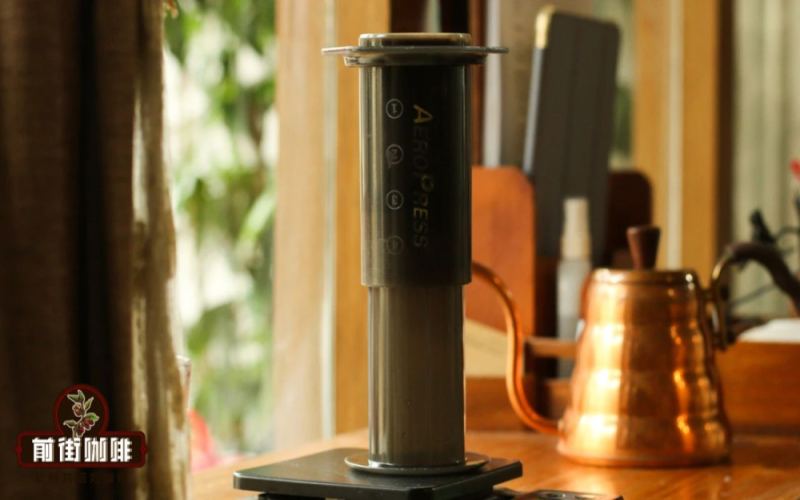
Want to drink an iced latte but frustrated by not having an espresso machine? Actually, an AeroPress alone can get the job done. This article breaks down in ten steps how to use an AeroPress to make a high-concentration coffee base, then combine it with cold milk to create a cup of iced latte with a rich, mellow body and balanced sweet aroma. The article also specifically reminds you that to avoid a sharply sour or weak taste, you should prioritize medium or dark roast beans, such as Front Street Coffee Bird of Paradise, Front Street Coffee Queen's Manor, Front Street Coffee Golden Mandheling, and Front Street Coffee Huilan; if you are sensitive to bitterness, you can try the fermented fruity acidity of Front Street Coffee Xizhao, Front Street Coffee Strawberry Candy, or Front Street Coffee Sunflower Warm Sun Blend, which pair even better with milk. Next, follow Front Street Coffee's practical parameters to make a simple yet delicious iced latte step by step. [more…]
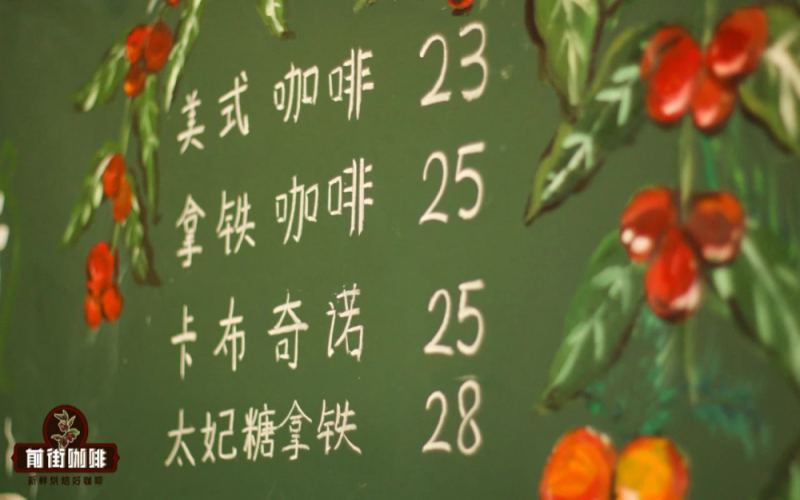
The Purpose of Blending Coffee Beans | What Are the Characteristics of SOE Coffee? Which Is Better: SOE Single-Origin Beans or Espresso Blends, and What's the Difference?
Many friends have asked the baristas at Front Street Coffee what SOE coffee is, and why so many specialty coffee shops now offer SOE coffee, yet Front Street Coffee (FrontStreet Coffee) has not put SOE coffee on its menu. Front Street Coffee (FrontStreet C [more…]
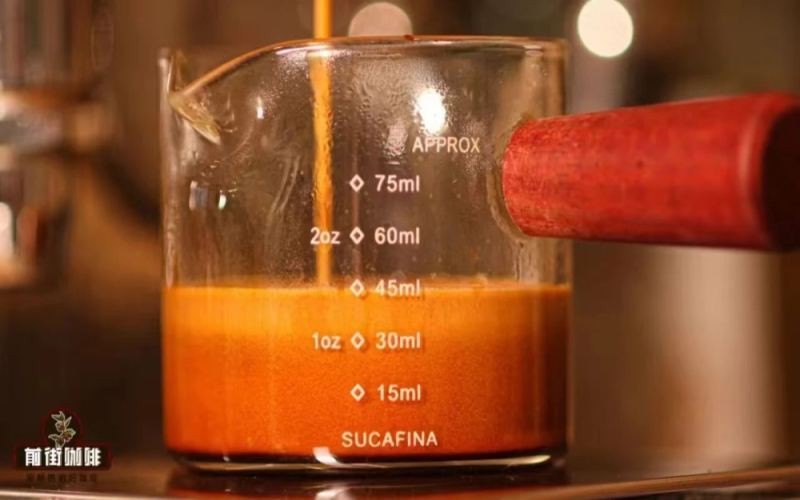
When Lemon Meets Espresso: The Origins of Espresso Romano and a Hands-On Test of Two Home Recipes
Espresso with lemon—a combination that may sound unfamiliar, yet it has actually been circulating in southern Italy for over half a century, where locals call it caffè canarino or caffè al limone, written in English as Espresso Romano. Its origins are closely tied to the historical context of post-World War II Italy, when coffee beans were scarce and dark-roasted beans were bitterly charred and hard to swallow, while the lemon-rich southern regions happened to provide a natural ingredient to temper the bitterness. In addition to tracing this history, this article will also put two beans—Sunflower Warm Sun Blend and Brazil Queen's Estate—to the test, using espresso and moka pot methods respectively to brew this drink, recording how sweetness, acidity, and bitterness contend when lemon meets coffee, and exploring the embellishing role of lemon juice in contemporary coffee creation. [more…]
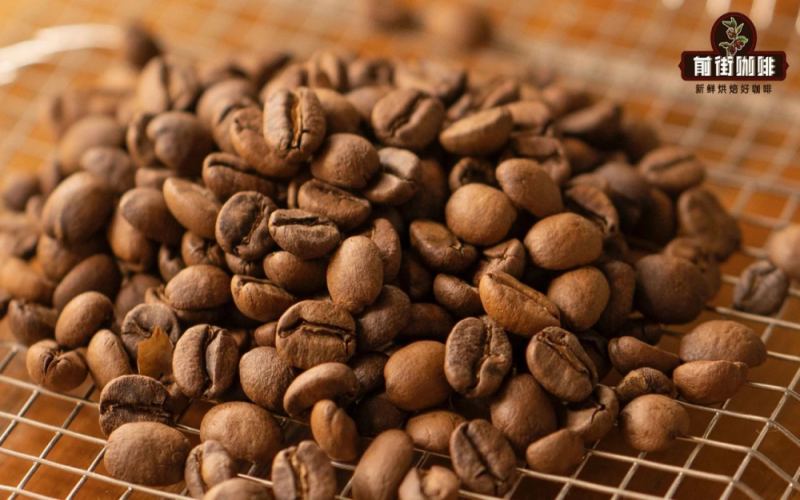
Espresso Blend Recommendations | What Are the Benefits of Blended Coffee? How to Determine the Espresso Brewing Ratio of Coffee Grounds to Water?
Espresso has a thicker texture and richer crema than drip coffee, and making high-quality espresso is inseparable from good espresso beans. Generally speaking, espresso beans are made by blending coffee from several origins to achieve a balanced flavor. Front Street Coffee (FrontStr [more…]
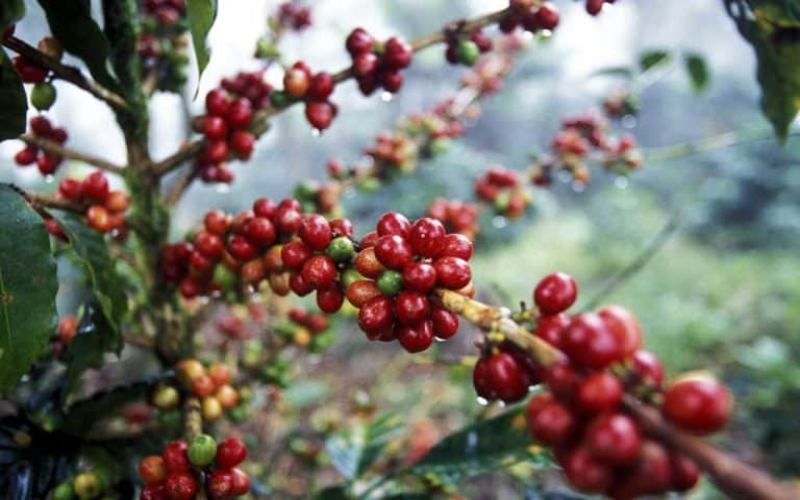
Front Street Honduras Sherry Coffee Bean Brewing Guide: A Full Analysis of Barrel-Fermented Flavor and Pour-Over Parameters
The captivating wine aroma in Front Street Coffee's Americano has sparked considerable interest among many customers in Front Street's Sherry coffee beans. This lot from the Moca Estate in Honduras is fermented in whisky sherry casks, giving the coffee a distinctive fermented wine aroma and a creamy mouthfeel. This article will provide a systematic overview for coffee lovers, covering the background of Honduras's coffee industry, its grading system, the principles of sherry cask processing, and the complete brewing parameters for Front Street's Sherry coffee beans. If you also want to recreate that hint of wine charm in Front Street's Sunflower Warm Sun blend at home, why not give Front Street's brewing method a try. [more…]

Espresso Blend Philosophy | Why Blend Coffee Beans? How Different Are Espresso Blends from Single-Origin Beans in Flavor?
Coffee lovers who frequently visit Front Street Coffee (FrontStreet Coffee) know that Front Street Coffee (FrontStreet Coffee) not only offers pour-over coffee but also espresso-based drinks, such as mocha, cappuccino, latte, and more, which are often available. [more…]
How Do Espresso Blends Differ from Pour-Over Single Origins? A Comprehensive Analysis from Definition and Roasting to Front Street Coffee's Four Classic Blend Recipes
Coffee beans on the market can be broadly divided into two camps: single-origin and blends. The former emphasizes pure traceability from a single region, while the latter pursues balance and consistency of flavor through combining multiple origins. This article begins with definitions, sorting out the essential differences between single-origin beans and blend formulas, then expands into the goals that must be clarified before blending, the role division of each bean type, and the principles of bean selection and ratio control that should be followed. At the same time, drawing on four classic blends from Front Street Coffee—Sunflower Warm Sun, Specialty Blend, Commercial Blend, and Dark Cocoa Blend—it explains each bean formula's composition, flavor direction, and suitable scenarios, helping coffee enthusiasts understand the logic behind blending and also providing a reference for purchasing espresso beans. [more…]
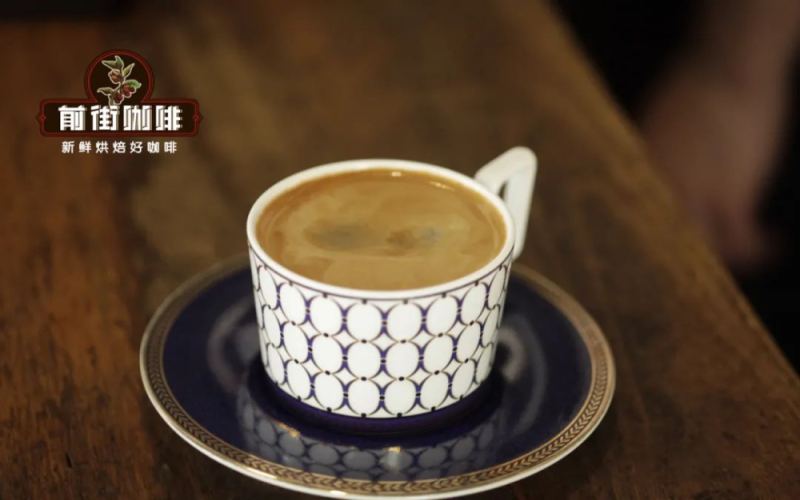
The Origin of Americano | Is Hot Americano Very Bitter? Which Coffee Beans Make Good Americano? How Do You Describe the Flavor, Mouthfeel, and Taste of Americano?
As the best-selling category in coffee shops, Americano gives you a cup of rich, aromatic coffee in just a few minutes, is affordably priced, and helps sleepy office workers wake up and stay alert. What flavors and mouthfeel does Americano have? Why not let Front Street Coffee fill you in~ The origin of Americano, as we can probably guess from the name, is that espresso should come from [more…]
A Comprehensive Analysis of the Differences Between Espresso Blend Coffee Beans and Single-Origin Beans and the Logic of Blending
Many friends who are just getting into coffee are curious: why are blend beans used for making lattes and cappuccinos, while single-origin beans are used for pour-over? What exactly is the difference between the two? Starting from Front Street Coffee's production practices, this article systematically sorts out the definition of espresso blends, blending approaches, the original intent behind blending, and the respective pros and cons of blending raw versus roasted beans, while also explaining the importance of blending ratios and flavor harmony. The article also introduces in detail the formulas and flavor positioning of Front Street's four espresso blends, helping coffee enthusiasts choose suitable espresso beans according to their budget and taste preferences, and understand the philosophy of balance behind blending. [more…]
What is the difference between Blue Mountain coffee and Americano? An analysis of the origin and brewing methods of authentic Jamaican Blue Mountain No. 1
For many office workers who rely on coffee to get through the day, drinking a lot doesn't mean understanding it deeply. What exactly is the difference between Blue Mountain coffee and Americano? The former is a single-origin bean from the Blue Mountain region of Jamaica, graded by altitude and green bean quality, and authentic Blue Mountain No. 1 commands a high price; the latter is a black coffee made by diluting espresso with water, and it has an amusing story behind it connected to the US military during World War II. Starting from Front Street Coffee's brewing practices, this article explains in detail the flavor characteristics of Blue Mountain coffee, the brewing parameters for the KONO dripper, and the blending logic and serving ratios of Americano, helping coffee lovers clarify the essential differences between the two. [more…]
Single-Origin Espresso (SOE) characteristics | Which coffee beans make espresso that isn't sour? Can pour-over single-origin beans be used as SOE coffee beans?
For more specialty coffee knowledge, please follow: Front Street Coffee (Frontsteet Coffee) In some coffee shops, there is such an option, SOE. SOE stands for Single Origin Espresso. Many specialty coffee shops [more…]
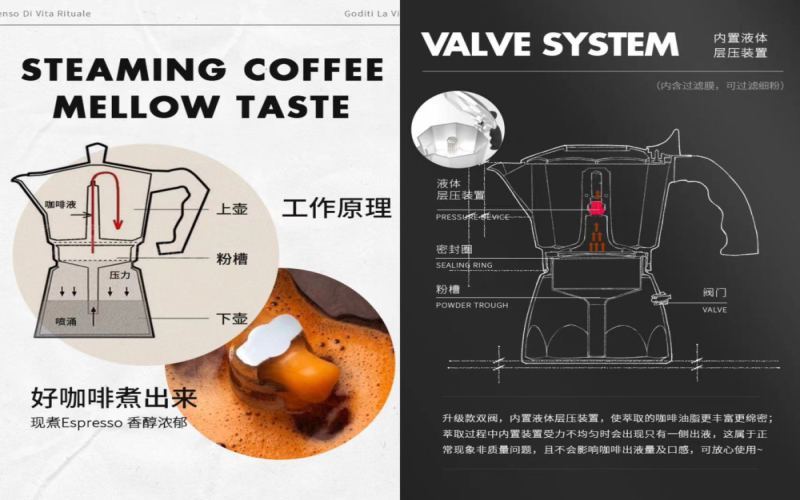
Beginner's Guide to Moka Pot Selection: Analyzing the Differences Between Single-Valve and Dual-Valve Models and the Flavor Characteristics of Dark Roast Coffee Extraction
The moka pot, as a classic household coffee device, rapidly extracts highly concentrated coffee through steam pressure, and at its inception, there was no distinction between single-valve and double-valve versions. In recent years, as coffee enthusiasts have continuously raised their expectations for flavor expression, double-valve moka pots have gradually entered the public eye. So, for beginners, should they choose single-valve or double-valve? What are the essential differences in the spout structure between the two? This article will analyze from the perspectives of operational difficulty, safety factor, and extraction parameters, and provide a detailed introduction to the correct steps for using a single-valve moka pot. At the same time, Front Street Coffee will combine the rich and mellow characteristics of moka pot coffee to recommend three suitable coffee beans, including Sunflower Warm Sun Blend, Brazil Queen's Estate, and PWN Indonesia Golden Mandheling, to help readers find their preferred flavor direction. [more…]
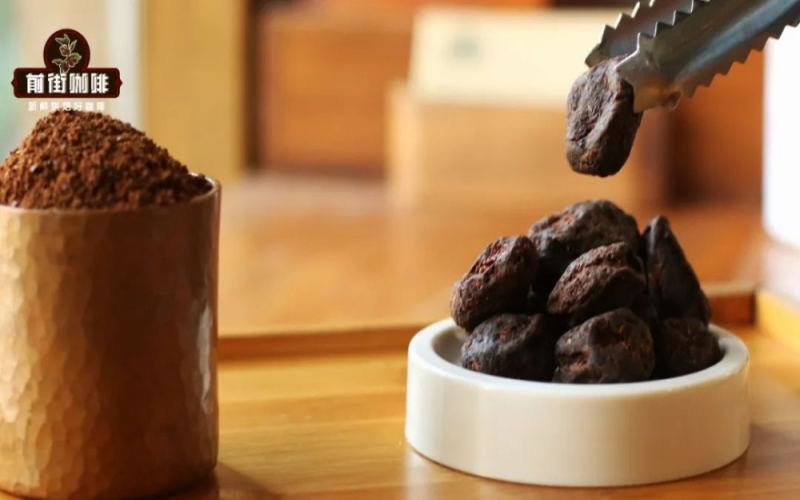
Three Iced Coffee Drinks with Preserved Plums: Comparing the Flavors of Cold Brew, Sparkling Americano, and Iced Pour-Over
The sweet, sour, and salty childhood snack of preserved plums actually makes frequent appearances in the world of coffee, too. From the dry aroma associations of Kenyan washed beans to the finishing touch baristas add when developing specialty drinks, the pairing of preserved plums with iced coffee is drawing attention from more and more enthusiasts. Since preserved plums are mostly dried and cured, heating or prolonged steeping releases a strong salty-sour flavor, so Front Street believes they are better suited to being combined with iced coffee. This article compiles three preserved plum iced coffee recipes you can make at home: preserved plum cold brew, preserved plum sparkling Americano, and preserved plum iced pour-over, using Panama sun-dried Butterfly, Sunflower Warm Sun blend, and Elida sun-dried Catuai respectively, with specific parameters and flavor descriptions included for readers with different taste preferences to refer to and choose from. [more…]
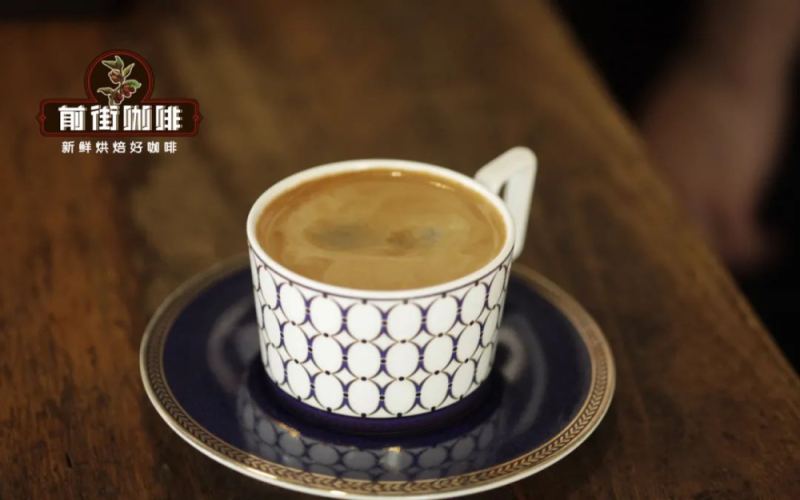
The Complete Guide to Americano: Is Hot Americano Bitter, Common Beans Used by Cafés, and Bean Recommendations for Making It at Home
Americano is one of the best-selling categories in coffee shops, quick to make and affordable, and the go-to pick-me-up for many office workers. It is made by diluting espresso with water, belongs to the black coffee family, and contains no added ingredients. What does Americano actually taste like, is hot Americano bitter, and what type of beans do coffee shops typically use? From the perspective of Front Street, this article sorts through the history, brewing ratios, and taste characteristics of Americano, and, drawing on the Front Street bean list, recommends espresso blends and SOE single-origin beans suitable for making Americano, helping enthusiasts brew a smooth cup of Americano at home. [more…]
Beginner's Guide to Espresso Blend Beans: A Detailed Explanation of Blending Logic, Roasting Methods, and Flavor Differences from Single-Origin Beans
In the world of espresso, blend beans have always held a mainstream position. Walking into a Front Street Coffee store, you'll find that the bar offers both pour-over single-origin coffees and espresso classics like lattes and cappuccinos—and what's used behind the espresso drinks is precisely blend beans. This article will focus on espresso blend beans: first clarifying their definition and Italian origins, then comparing the flavor differences between blend beans and single-origin beans, breaking down the pros and cons of the two roasting approaches—pre-blend roasting and post-blend roasting—and introducing one by one the flavor characteristics and recipe ratios of Front Street's four espresso blend beans currently on sale, providing a reliable reference for friends looking to get into espresso beans. [more…]
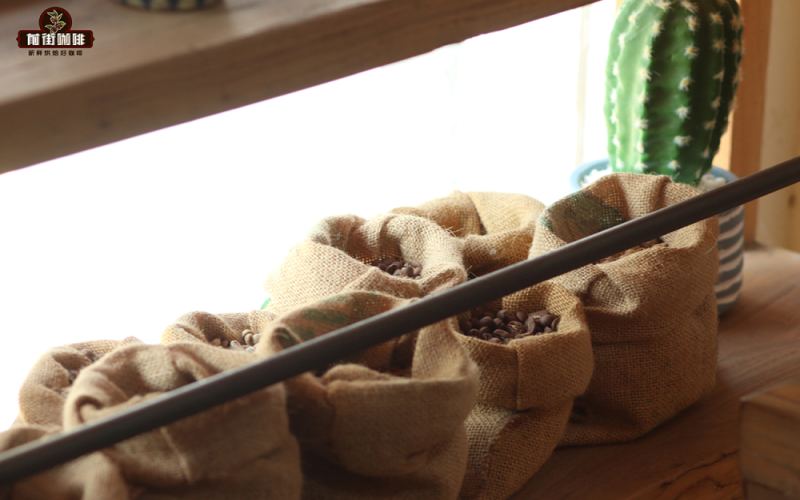
Coffee Bean Resting | What Is a Coffee Blend? What Are the Recipes for Espresso Blend Coffee Beans? How Long Should Espresso Coffee Beans Be Rested?
Recently, a regular customer who often comes to Front Street to buy Front Street Espresso Blend coffee beans has been visiting, while new customers to Front Street look quite puzzled, not understanding why the Front Street Coffee (FrontStreet Coffee) barista would mix several kinds of beans together to sell. In fact, this is blended coffee beans, also called a blend. [more…]